Influenster
3.913.22KReviews
Analysis ByAppCompare
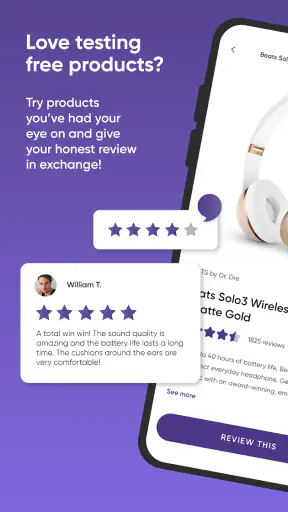
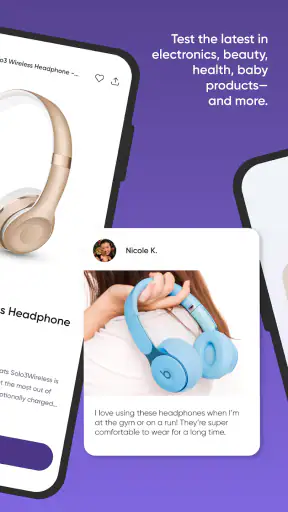
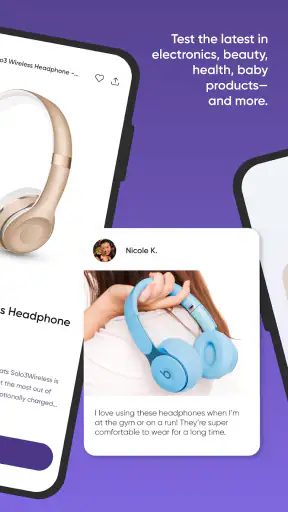
I approached Influenster as a shopping companion rather than a traditional store app. Its main appeal is the chance to discover products through a creator-focused community and, for some users, receive products to try. That makes it more interesting than a simple catalogue, but also less predictable than an ordinary shopping tool. You are not opening it only to place an order; you are using it to explore opinions, participate in a product community, and see whether opportunities match your interests.
The app is free and comes from Influenster, with a Teen content rating. It has been available since July 17, 2015, and the current Android release is version 4.3.52. Compatibility begins with Android 8.0, so it remains accessible on many older phones, although the experience can still depend heavily on the device, connection, and account setup.
Where the experience usually gets stuck
The first thing I noticed is that Influenster rewards patience more than quick tapping. A new user may expect to open the app, browse a few products, and immediately understand what to do next. In practice, the useful parts become clearer after spending time with the community, completing the profile carefully, and paying attention to the product opportunities that appear.
This is the biggest difference between Influenster and a conventional shopping app. A retailer normally gives you a direct route from search to product page to checkout. Influenster is more about discovery and participation. If you want a fast price comparison or a reliable way to buy something immediately, a retailer, marketplace, or dedicated review site will usually feel more efficient.
People can also get stuck because the app combines several expectations. One person may install it hoping to receive samples, another may want honest product opinions, and someone else may be interested in the creator community. Those are related, but they are not the same use case. I found it easier to judge the app once I treated product opportunities as an occasional benefit rather than the only reason to open it.
Why the first session can feel incomplete
Profile details matter more here than they do in a basic shopping catalogue. Influenster needs enough context to make its community and product discovery useful, so rushing through setup can make the app feel empty or poorly matched. My practical advice is to complete the information you are comfortable sharing, keep it accurate, and avoid selecting interests simply because they sound likely to unlock more activity.
Another source of confusion is that community content can be more valuable than the promotional-looking surface of a product opportunity. I would read several opinions before deciding whether a product is relevant to me. A single enthusiastic post is not enough evidence, especially when the item involves personal preferences such as color, scent, texture, fit, or dietary needs.
The app’s average rating is 3.9 from around 40 thousand ratings, with approximately 13 thousand written reviews. I read that as a sign of a useful but uneven experience: plenty of people find value in it, while others likely encounter delays, mismatched expectations, or difficulty understanding how participation works.
What I would check before blaming the app
If a page loads slowly, an opportunity does not appear, or a submission seems stuck, I would first check the basics. I would confirm that the phone has a stable connection, close and reopen the app, and make sure the device is running a supported Android version. I would also check whether the app itself needs updating through the normal app store, since an older build can behave differently from the current release.
I would avoid repeatedly tapping a button when the screen appears slow. That can create duplicate actions or make it harder to tell whether the original request succeeded. Waiting briefly, returning to the previous screen, and reopening the relevant area is a cleaner approach.
It is also worth checking whether the issue affects only one screen. If the community feed opens but a particular product area does not, the problem may be temporary or limited to that part of the service. If nothing loads at all, the connection or account session becomes a more likely suspect.
Setup checks that make the app easier to use
My preferred setup is deliberately simple. I install the app, sign in with the account I intend to keep using, and complete the profile without exaggerating my interests. I then spend a little time reading the community before trying to act on every available prompt. This gives the app a more realistic picture of what I care about and helps me recognize useful content later.
I would also make sure the account details are consistent. If information changes frequently, product matching and community participation may feel less relevant. That does not mean you should enter details you do not want to share. It means accuracy is more useful than trying to guess what the system might prefer.
Notifications deserve a quick review as well. I would keep them enabled only if I genuinely want reminders about activity, and I would silence them if they become distracting. Influenster is not an app I need to monitor constantly. A calmer setup makes it easier to check in when I have time to read properly rather than reacting to every alert.
A realistic first-day workflow
Imagine I am shopping for a new face cleanser. Instead of searching only for the cheapest option, I can use Influenster to read how other people describe the product in everyday situations. I would look for repeated comments about texture, scent, irritation, packaging, and whether the product suits a particular routine. Then I would compare that impression with a retailer’s price, availability, and return information before buying.
That last step is important. Influenster can help me understand how a product feels to use, but it is not a replacement for every part of a purchase decision. I would still check the seller, current price, ingredients when relevant, delivery details, and return terms elsewhere. The app is strongest as a discovery and opinion layer, not as the complete transaction.
If I were interested in receiving an exclusive product, I would treat the process as something to participate in carefully. I would read the instructions attached to the opportunity, make sure I understand what is being requested, and avoid assuming that every user will see the same offers. This mindset prevents disappointment and keeps the app useful even when no immediate opportunity is available.
Privacy and effort are part of the trade-off
Any community-based shopping service asks you to exchange some personal context for a more tailored experience. I would review each question before answering and share only what feels appropriate. The app is not a good fit for someone who wants a completely anonymous browsing experience with no profile-building effort.
There is also a time trade-off. Reading thoughtful reviews takes longer than scanning star ratings, but it can reveal details that a short score misses. I found the app more worthwhile when I used it for products where lived experience matters, such as beauty, household items, personal care, or lifestyle purchases. For a simple commodity where price is the only real concern, opening a retailer may be faster.
Recovering when a workflow breaks
When something does not work, I would recover in stages rather than immediately deleting the app. First, I would note what I was doing: browsing, opening a product, submitting community activity, or checking an opportunity. Then I would close and reopen the app, verify the connection, and try the same action once more. This makes it easier to distinguish a one-off loading problem from a repeatable account or feature issue.
If the app returns to a previous screen, I would check whether the action actually completed before submitting it again. For example, if a response or profile change appears to have disappeared, I would revisit the relevant area and look for the updated state. Repeating an action without checking can create confusion, especially when network speed is inconsistent.
Clearing temporary app data can sometimes help with damaged local session information, but I would use that as a later step rather than the first response. Before doing it, I would make sure I know the account details needed to sign in again. I would not erase anything if I was unsure how the account is connected or if I had unfinished activity.
When an opportunity does not appear
A missing product opportunity does not automatically mean the app is malfunctioning. Availability can depend on account information, timing, location, product suitability, and the way opportunities are distributed. I would refresh the app once, confirm that my profile is complete and accurate, and then move on instead of repeatedly checking every few minutes.
This is one of the most important expectations to set. Influenster is not a guaranteed product-delivery service. Its creator community and exclusive product discovery are appealing, but the value changes from person to person. If the only reason you installed it was to receive something immediately, you may find the experience frustrating.
A better approach is to use the app on a schedule that fits your routine. I might check it when I am already researching a purchase, then read the community and save any useful notes mentally before comparing options elsewhere. That turns uncertainty into a manageable part of the experience.
When the app is not the cause
Some problems belong to the phone or network rather than Influenster. A weak Wi-Fi signal, overloaded mobile connection, low available storage, aggressive battery restrictions, or an outdated operating system can all make an app feel unreliable. I would test another app or website at the same time. If everything is slow, troubleshooting Influenster alone is unlikely to solve the real issue.
Account confusion is another common possibility. If I switch between sign-in methods or use different accounts on different devices, activity may appear missing even though the service is working normally. I would confirm that I am using the same account before changing settings or reinstalling.
For content questions, I would also separate a community opinion from an official product fact. Reviews are useful for personal experience, but they should not replace the packaging, manufacturer instructions, or professional advice when safety matters. That is especially important for products used on the body, consumed, or applied around children and pets.
Who will get the most from Influenster
I recommend Influenster to curious shoppers who enjoy comparing real-world experiences and do not mind contributing to a community. It is particularly suitable for someone who likes discovering products before buying, wants more context than a retailer’s short description, and is willing to complete a profile honestly.
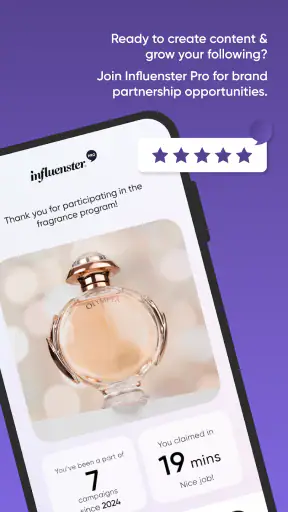
It can also suit aspiring creators who want to participate in a product-focused community without treating every interaction as a sales pitch. The best experience comes from writing specific observations rather than vague praise. Mentioning how a product performed in a realistic situation is more helpful than simply saying it was good.
I would skip it if I need guaranteed samples, instant customer support, exact price tracking, or a streamlined checkout. I would also choose another tool if I dislike community content, do not want to provide profile information, or prefer professional testing over personal opinions. A specialist review publication may be better for technical products, while a retailer is usually better for stock, delivery, and returns.
What makes it different from ordinary shopping apps
Retail apps are built around completing a purchase. Influenster is built around the stage before that decision: discovering products, seeing how people describe them, and engaging with a creator community. That difference is its strength and its limitation.
I would use a retailer to confirm the current price and buy the item, a search engine to compare broad availability, and Influenster to add human context. None of these tools completely replaces the others. The app earns its place when I want to know what using a product may actually feel like, not merely what the product page claims.
The community can also expose trade-offs that a polished listing hides. A product may smell pleasant to one person and overwhelming to another. Packaging may be convenient for one routine but awkward for another. Those details are valuable, but I would look for patterns across several posts rather than treating one review as universal truth.
My practical verdict
Influenster is a worthwhile free shopping app if you approach it as a community-powered discovery tool. I like that it can make product research feel more personal, and the creator-community angle gives it a purpose beyond ordinary browsing. The strongest workflow is to keep your profile honest, read carefully, use opportunities when they genuinely fit, and verify purchase details elsewhere.
Its weaknesses are mostly about expectations and consistency. The app may feel slow to understand at first, product opportunities are not something I would treat as guaranteed, and community opinions require judgment. Users who want a direct, predictable transaction will probably be happier with a retailer. Users who enjoy exploring products and comparing lived experiences will find more to appreciate.
With over one million installs, Influenster has clearly reached a sizeable audience, while its 3.9 average shows that the experience is not universally smooth. My final recommendation is conditional but positive: install it if you are willing to participate rather than simply collect offers. Use it as a second opinion before shopping, not as your only source of product facts or purchase support.
FAQ
What is Influenster, and how does the app work?
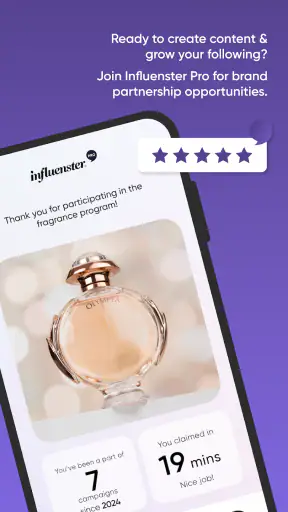
Influenster is a product discovery and review app where users can explore opinions from other shoppers, share their own experiences, and sometimes receive products to test through promotional campaigns. After creating a profile, you can browse categories, read ratings, answer questions, write reviews, and interact with the community. The products and campaigns shown to you may depend on your interests, activity, location, and profile information.
Can I really receive free products through Influenster?
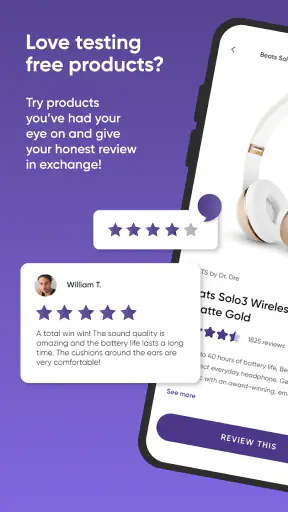
Influenster may offer selected users free products through campaigns, commonly known as VoxBoxes, but receiving one is not guaranteed. Eligibility can depend on your profile, demographic details, interests, app activity, and the requirements of a particular campaign. If selected, you generally need to complete the requested tasks, such as trying the product and submitting honest feedback, rather than promising a positive review.
Is Influenster free to download and use?
Yes, Influenster is generally free to download and use on supported Android and iOS devices. You can create an account, browse product information, read reviews, and participate in community activities without paying a subscription fee. However, normal mobile data charges may apply, and some products or promotions may have regional limitations. Always check the current store listing and campaign terms before participating.
Does Influenster require personal information?
Influenster may request personal information when you create a profile or participate in product campaigns. This can include details such as your age range, location, interests, household preferences, social accounts, and product habits. These details help personalize recommendations and determine campaign eligibility. Before signing up, review the app’s privacy policy and account settings so you understand how your information may be collected and used.
Are Influenster reviews reliable and unbiased?
Influenster reviews can be useful because they provide opinions from people with different experiences, but they should not be treated as completely objective or professionally verified. Some users may receive products for free, and campaign participation can influence the context of a review, even when honest feedback is requested. For a balanced decision, compare several reviews, look for detailed comments, and consider independent sources as well.
Pros
- Millions of product reviews help compare items before buying.
- Personalized recommendations match products to your interests.
- Free samples and cashback offers can make testing products worthwhile.
- The barcode scanner makes it easy to find product information quickly.
- Community feedback often includes detailed photos and real-world experiences.
Cons
- Rewards and free products are not guaranteed for every member.
- Some reviews may feel biased because users receive products to try.
- The app can send frequent notifications about campaigns and offers.
- Availability of samples and campaigns varies by location.
- Some product pages have limited reviews or outdated information.